

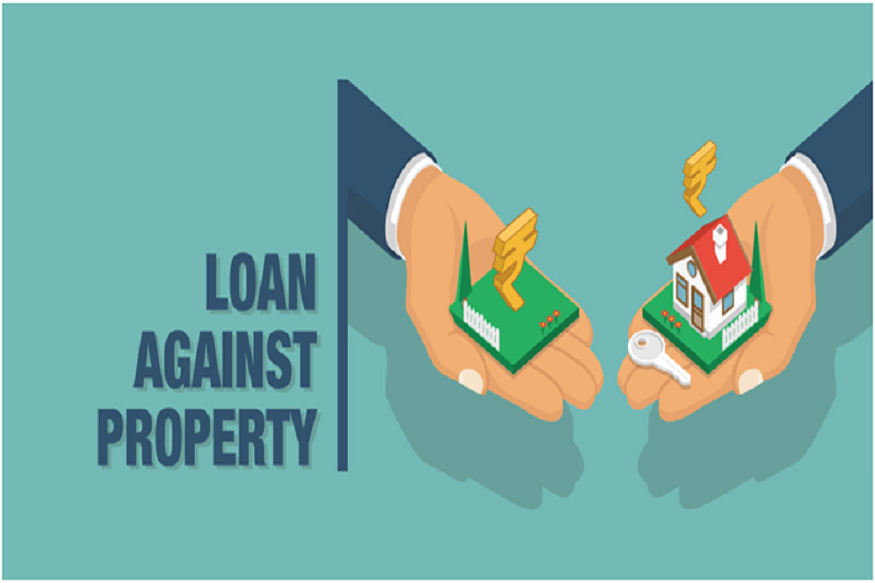
In today’s fast-paced financial ecosystem, obtaining a loan against property (LAP) has become a popular way for individuals to leverage their real estate assets to secure funds for various purposes. However, understanding loan against property interest rates is crucial for borrowers looking to make informed decisions. This article delves into the user journey concerning loan against property interest rates, exploring the essential factors that influence these rates and providing insights into related borrowing avenues, including a land purchase loan. Bajaj finance also offers secured lending solutions that eligible borrowers can consider based on their financial requirements.
The User Journey: An Overview
The user journey refers to the process that borrowers go through when they seek a loan against property. This journey typically encompasses several stages:
- Awareness: Recognizing the need for financing and understanding available options.
- Research: Investigating various lenders, loan against property interest rates, and loan features.
- Comparison: Evaluating multiple loan products to determine the best fit.
- Decision Making: Choosing a lender and finalizing loan terms.
- Application and Disbursement: Completing necessary paperwork and receiving the funds.
During each of these stages, borrowers encounter various factors that can influence the loan against property interest rates they are offered.
Read More: Free Demat Account Features and Key Benefits Explained
Key Factors Influencing Loan Against Property Interest Rates
Several factors can significantly impact the loan against property interest rates that borrowers receive.
1. Credit Score and Credit History
One of the most critical factors in determining loan against property interest rates is the borrower’s credit score. Lenders assess credit scores to evaluate the borrower’s creditworthiness. A higher credit score (typically above 750) indicates low risk, allowing borrowers to secure lower interest rates. In contrast, a lower score may result in higher rates or denial of the loan. Credit history, including past payments and outstanding debts, also plays a pivotal role in this evaluation.
2. Loan-to-Value (LTV) Ratio
The loan-to-value (LTV) ratio is the percentage of the property’s current market value that the lender is willing to lend against. A lower LTV ratio typically translates to lower risk for lenders, resulting in more favorable loan against property interest rates for borrowers. For instance, if a borrower values their property at ₹1 crore and seeks a loan of ₹60 lakh, the LTV ratio is 60%. Lenders may offer better rates for an LTV ratio below 80%, as it indicates a substantial equity cushion.
3. Property Type and Location
The type of property being used as collateral also influences loan against property interest rates. Residential properties may attract different rates than commercial properties due to the perceived risk associated with each type. Moreover, the location of the property can significantly affect the valuation. Properties in prime locations are often seen as lower risk, which can lead to reduced interest rates. In contrast, properties in less desirable areas may incur higher rates due to increased risk factors.
4. Economic Conditions
Loan against property interest rates are not static; they fluctuate based on prevailing economic conditions, including the central bank’s monetary policy and overall market demand for loans. If interest rates in the economy are high, lenders may pass these costs on to borrowers in the form of higher loan against property interest rates. Conversely, during periods of economic downturn or when the central bank lowers rates, borrowers may benefit from lower interest rates.
5. Borrower’s Income and Financial Stability
Lenders also consider the borrower’s income level and overall financial stability. A stable and sufficient income can instill confidence in lenders regarding the borrower’s ability to repay the loan. As a result, individuals with higher and more stable incomes are often rewarded with lower loan against property interest rates, whereas lower-income borrowers might face higher rates or stricter lending criteria.
6. Loan Tenure
The tenure of the loan can play an important role in determining the applicable loan against property interest rates. Generally, loans with shorter tenures will have lower interest rates compared to those with longer tenures. This is because shorter-term loans represent a lower risk to lenders, as the associated uncertainty diminishes.
User-Centric Considerations for Land Purchase Loan
While loans against property serve various purposes, some borrowers may specifically seek financing options through a land purchase loan. A land purchase loan is tailored specifically for purchasing plots, and understanding its dynamics can help streamline the user journey.
When considering a land purchase loan, borrowers should keep the following in focus.
1. Lender Policies on Land Loans
Different lenders have varying policies regarding a land purchase loan. Some may require a higher down payment or have stricter eligibility criteria compared to a loan against residential or commercial property. Borrowers should thoroughly research and compare lenders before committing to a land purchase loan. Comparing financing options from Bajaj finance and other lenders can help borrowers identify a suitable solution.
2. Interest Rate Variations
Improving Impact With Custom Cereal Packaging
Interest rates for a land purchase loan may differ from traditional loan against property rates. Since land, especially in undeveloped areas, can be riskier collateral, lenders may charge higher interest rates. Understanding these differences is critical for borrowers aiming to make informed financial decisions.
3. Completing Due Diligence
Before proceeding with a land purchase loan, borrowers should conduct comprehensive due diligence on the land, including its market value, future appreciation potential, and legal clearances associated with the property. This information can be instrumental in securing favorable terms and loan against property interest rates.
Read More: Improving Impact With Custom Cereal Packaging
Conclusion
Understanding loan against property interest rates involves navigating various factors that influence lending decisions. From credit scores and LTV ratios to economic conditions and borrower stability, these elements are vital in shaping the user journey for borrowers. As individuals seek financing for purposes such as a land purchase loan, awareness and detailed research can empower them to make informed choices that align with their financial goals.
By recognizing these key considerations, borrowers can better equip themselves in their quest for competitive loan against property interest rates and suitable financing solutions. Exploring offers from Bajaj finance alongside other lenders, understanding eligibility criteria, and comparing loan features can help borrowers make confident decisions and move closer to achieving their financial objectives.





Leave a Reply